Exploring Stunning Aurora and Thunderstorm Photography
Capturing the beauty of nature through photography can be a rewarding experience, especially when it comes to phenomena like the aurora borealis and thunderstorms. These natural wonders offer unique opportunities for photographers to showcase their skills and creativity. In this blog post, we will explore the techniques, tips, and equipment needed to capture stunning images of auroras and thunderstorms, along with some breathtaking examples to inspire your next photography adventure.
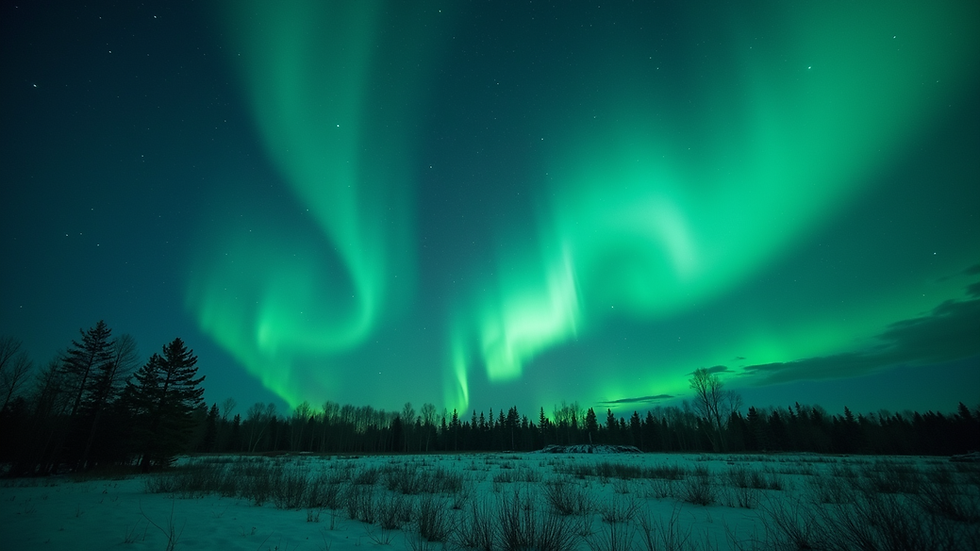
Understanding the Aurora Borealis
The aurora borealis, also known as the northern lights, is a natural light display predominantly seen in high-latitude regions around the Arctic and Antarctic. This phenomenon occurs when charged particles from the sun collide with gases in the Earth's atmosphere, creating stunning displays of color in the night sky.
Best Locations to Photograph the Aurora
To capture the aurora borealis, you need to be in the right place at the right time. Here are some of the best locations for aurora photography:
Tromsø, Norway: Known as the "Gateway to the Arctic," Tromsø offers excellent viewing opportunities from September to April.
Yellowknife, Canada: This city is famous for its clear skies and frequent auroral activity, making it a top destination for photographers.
Reykjavik, Iceland: With its stunning landscapes and accessibility, Iceland is a popular choice for aurora hunters.
Timing Your Shoot
The best time to photograph the aurora is during the winter months when the nights are longest and the skies are darkest. Aim for a clear night with minimal light pollution for the best results. Check aurora forecasts and plan your outings around peak activity times.
Equipment for Aurora Photography
To capture the beauty of the aurora, you'll need the right equipment:
Camera: A DSLR or mirrorless camera with manual settings is ideal.
Lens: A wide-angle lens (14mm to 24mm) with a large aperture (f/2.8 or wider) will help capture more of the sky.
Tripod: A sturdy tripod is essential for long exposure shots.
Remote Shutter Release: This helps prevent camera shake during long exposures.
Techniques for Capturing the Aurora
When photographing the aurora, consider the following techniques:
Long Exposures
Using long exposure times (10 to 30 seconds) allows you to capture the movement and colors of the aurora. Adjust your ISO settings to balance exposure without introducing too much noise.
Focus on the Stars
To ensure your images are sharp, manually focus your lens on a distant light or star before the aurora appears. This will help you achieve crisp images.
Experiment with Composition
Incorporate foreground elements, such as trees or mountains, to add depth to your images. Experiment with different angles and perspectives to create unique compositions.
Thunderstorm Photography
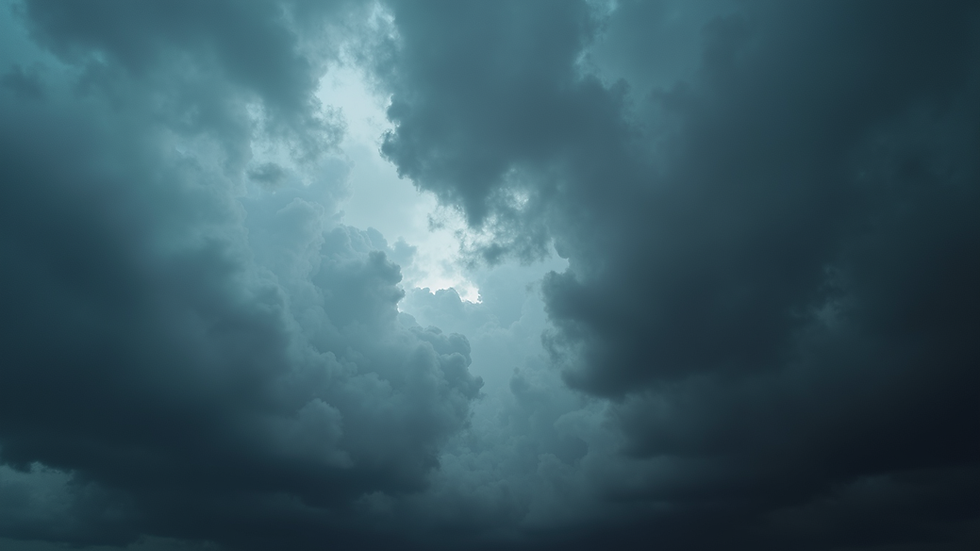
Thunderstorms present another exciting opportunity for photographers. The dramatic skies, lightning strikes, and rain can create stunning images that capture the raw power of nature.
Safety First
Before heading out to photograph a thunderstorm, prioritize your safety. Stay indoors during severe weather and avoid open fields or tall structures. Always keep an eye on the storm's movement and be prepared to seek shelter if necessary.
Best Locations for Thunderstorm Photography
Some ideal locations for capturing thunderstorms include:
Plains States, USA: Areas like Kansas and Nebraska are known for their frequent thunderstorms and wide-open landscapes.
Tornado Alley: Regions prone to severe weather often provide dramatic backdrops for thunderstorm photography.
Equipment for Thunderstorm Photography
Similar to aurora photography, you'll need specific gear for thunderstorm photography:
Camera: A DSLR or mirrorless camera with manual settings is essential.
Lens: A versatile zoom lens (24mm to 70mm) allows you to capture both wide shots and close-ups.
Tripod: A sturdy tripod is crucial for stability during long exposures.
Lightning Trigger: This device can automatically capture lightning strikes, ensuring you don’t miss the perfect shot.
Techniques for Capturing Thunderstorms
When photographing thunderstorms, consider these techniques:
Capture Lightning Strikes
To photograph lightning, use a long exposure (up to 30 seconds) and set your camera to continuous shooting mode. This increases your chances of capturing a strike.
Use a Wide Aperture
A wide aperture (f/2.8 or wider) allows more light to enter the camera, which is beneficial during low-light conditions associated with storms.
Experiment with Shutter Speed
Adjust your shutter speed to capture the movement of clouds and the intensity of the storm. A slower shutter speed can create a dramatic effect, while a faster speed can freeze the action.
Post-Processing Tips
After capturing your images, post-processing can enhance their beauty. Here are some tips:
Adjust Exposure: Fine-tune the exposure to bring out details in the highlights and shadows.
Enhance Colors: Use saturation and vibrance adjustments to make the colors pop, especially in aurora images.
Sharpen Details: Apply sharpening to enhance the clarity of your images, particularly for lightning strikes.
Conclusion
Photographing the aurora borealis and thunderstorms can be a thrilling and fulfilling experience. With the right equipment, techniques, and a bit of patience, you can capture stunning images that showcase the beauty of these natural phenomena. Remember to prioritize safety, plan your outings carefully, and don’t be afraid to experiment with different compositions and settings.
As you embark on your photography journey, keep these tips in mind, and let the beauty of the natural world inspire your creativity. Happy shooting!

Comments